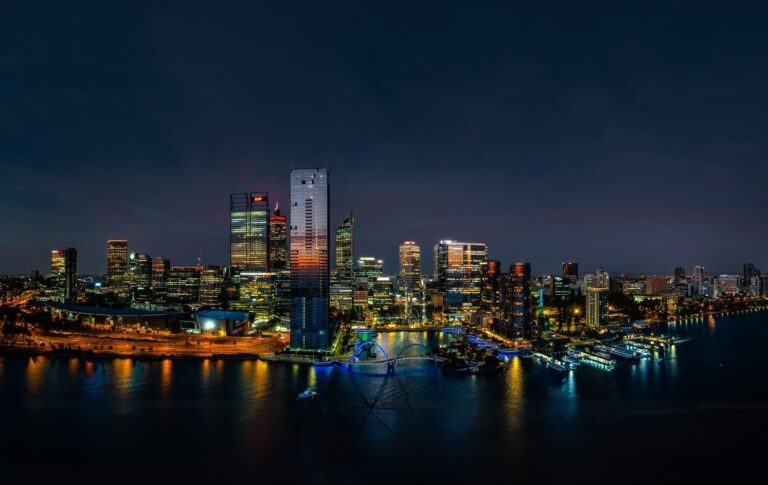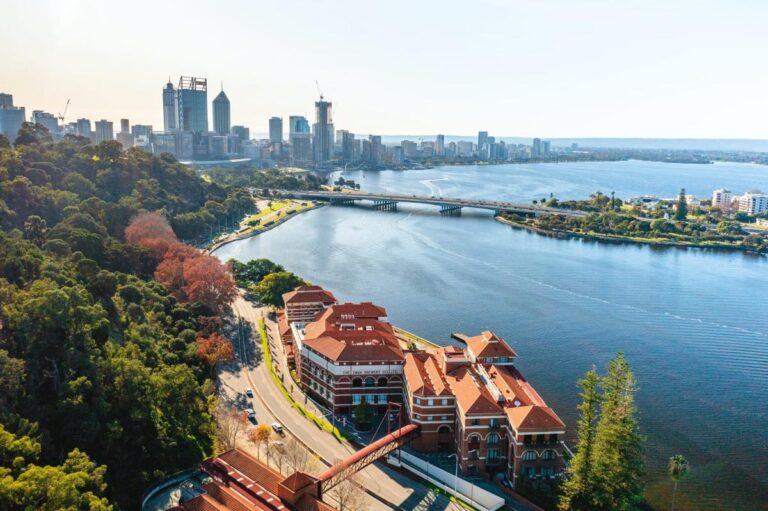
Crime prevention by design is becoming an essential consideration for developments, public spaces, and facilities across Perth.
Rather than relying solely on guards, alarms, or reactive measures, crime prevention by design focuses on how the built environment itself can reduce opportunities for crime, improve safety, and support positive use of space.
At Smartsec Security Solutions, we provide independent CPTED (Crime Prevention Through Environmental Design) advice and assessments across Perth and Western Australia. With over 19 years of experience in security risk, physical security, and public-facing environments, we help clients design safer, more functional spaces from the outset.
What is crime prevention by design?
Crime prevention by design refers to the strategic use of environmental design to influence behaviour and reduce the likelihood of crime.
It is commonly delivered through CPTED principles, which focus on how layout, visibility, access, and activity patterns shape how people interact with a space.
In simple terms, good design can:
- make it easier to see and be seen
- clearly define public and private areas
- reduce opportunities for concealment or unauthorised access
- support natural movement and legitimate activity
- discourage antisocial behaviour
This approach is widely recognised across Australia and is increasingly expected in planning, development, and public realm projects.
Why crime prevention by design matters in Perth
Perth continues to grow, with increasing density in residential developments, mixed-use precincts, and public-facing environments.
As activity increases, so does the importance of designing spaces that are safe, legible, and resilient.
Crime prevention by design is particularly relevant for:
- apartment developments and mixed-use buildings
- shopping centres and retail precincts
- car parks and transport-adjacent sites
- parks, foreshore areas, and public open space
- education campuses
- hospitality and entertainment venues
- laneways and urban infill projects
Many of these environments experience different risk profiles throughout the day and into the evening. Without proper design consideration, issues such as poor visibility, unclear boundaries, and inactive spaces can create opportunities for crime or antisocial behaviour.
Key principles of crime prevention by design
Crime prevention by design is typically guided by CPTED principles. These are applied together to create a safer environment rather than in isolation.
Natural surveillance
Design spaces so that people can easily see what is happening around them.
This includes:
- clear sightlines
- appropriate placement of windows and glazing
- avoiding hidden corners and recesses
- ensuring visibility in car parks and circulation areas
Access control
Manage how people enter, move through, and exit a space.
This may involve:
- clearly defined entry points
- controlled access to private areas
- separation between public and restricted zones
Territorial reinforcement
Make it clear who owns or controls a space.
This can be achieved through:
- signage
- landscaping
- physical boundaries
- changes in materials or design
Lighting and visibility
Ensure spaces are safe and usable after dark.
Lighting should:
- support surveillance
- reduce shadows and blind spots
- align with how the space is used at night
Activation and legitimate use
Encourage positive use of the space.
Active environments are less likely to attract unwanted behaviour. This includes:
- mixed-use design
- passive surveillance from adjacent areas
- encouraging regular foot traffic
Maintenance and management
A well-maintained space signals ownership and reduces the likelihood of misuse.
Poor maintenance can quickly undermine even well-designed environments.
Common issues seen in Perth developments
Through our work across Perth, we regularly see recurring design issues where crime prevention by design has not been fully considered.
These include:
- hidden or recessed entry points
- poor surveillance in car parks
- unclear separation between public and private areas
- inactive or underutilised spaces
- landscaping that obstructs visibility
- lighting that does not align with actual use
- after-hours vulnerabilities not addressed
- over-reliance on CCTV without supporting design
These issues are often not obvious at the design stage but become clear once the site is operational.
Addressing them early is significantly more effective than retrofitting solutions later.
How CPTED supports better development outcomes
Crime prevention by design is not just about reducing risk. It also contributes to better overall project outcomes.
Well-designed environments can:
- improve user experience and perception of safety
- reduce incidents and operational issues
- support tenancy and occupancy outcomes
- enhance asset value
- reduce long-term security costs
For developers and asset owners, this is not just a security exercise. It is a design and operational consideration that impacts how the space performs over time.
Our crime prevention by design services in Perth
Smartsec Security Solutions provides independent CPTED advice tailored to Perth developments and public environments.
We work with:
- developers
- architects
- planners
- local governments
- asset owners and operators
Our services can support:
- development applications requiring CPTED input
- design reviews at concept and detailed stages
- public realm and streetscape projects
- existing site reviews and upgrades
- security risk assessments aligned with CPTED principles
- integration with CCTV, access control, and lighting strategies
We focus on providing practical, risk-based advice that aligns with how the site will actually be used.
Importantly, we remain independent. We do not install systems or push specific products, allowing us to provide unbiased recommendations.
Why early engagement makes a difference
One of the biggest opportunities in crime prevention by design is timing.
When CPTED is considered early in a project, it allows design decisions to be influenced before they are locked in.
This can lead to:
- more efficient layouts
- fewer design compromises
- reduced need for costly changes later
- smoother planning approvals
- better integration of security into the overall design
Waiting until later stages often results in reactive solutions that are less effective and more expensive.
Why choose Smartsec Security Solutions
Smartsec Security Solutions brings over 19 years of experience in security risk, CPTED, and physical security advisory.
We understand both the technical and practical aspects of crime prevention by design and how they apply in real-world Perth environments.
Clients choose us because we offer:
- independent, unbiased advice
- strong understanding of local WA context
- practical and buildable recommendations
- experience across a wide range of sectors
- clear and professional reporting
- a focus on outcomes, not just compliance
Our goal is to help you create environments that are not only compliant, but genuinely safer and more functional.
When should you consider crime prevention by design?
You should consider engaging crime prevention by design advice when:
- planning a new development
- preparing a development application
- designing public-facing environments
- upgrading existing sites
- addressing safety concerns
- responding to planning authority requirements
Even where it is not explicitly required, crime prevention by design is increasingly expected as part of responsible design and development.
Crime prevention by design in Perth: getting it right from the start
Crime prevention by design is one of the most effective ways to reduce risk and improve safety without overcomplicating a project.
By considering CPTED principles early and applying them thoughtfully, developments and public spaces can perform better, feel safer, and operate more effectively.
To get in touch, contact us here.