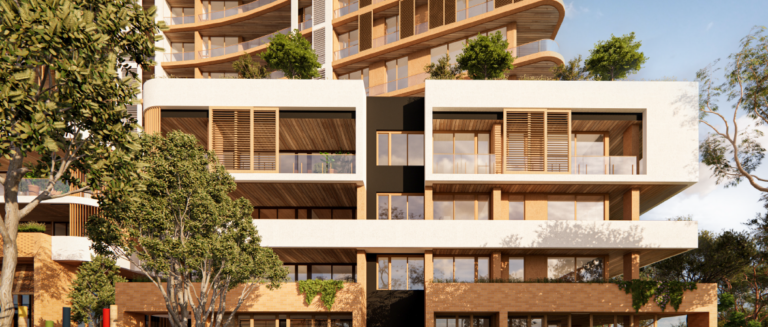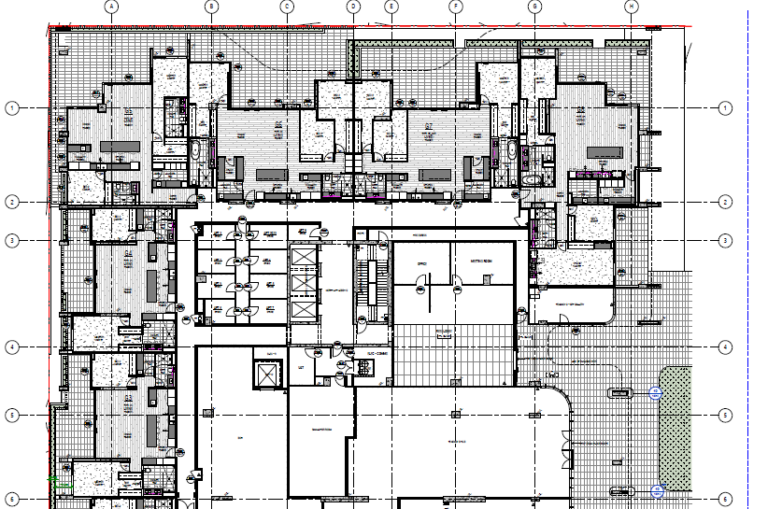
Designing out crime means reducing opportunities for crime and fear of crime through the design, layout and management of a place. Using CPTED principles (surveillance, access control, territorial reinforcement, activation and maintenance), it makes offending harder, detection easier, and legitimate use more natural — without turning sites into fortresses.
Common “designing out crime” problems we see in WA:
- vandalism that keeps returning
- antisocial behaviour in predictable locations
- theft and break-ins where access is easy and detection is low
- staff being put in uncomfortable or unsafe situations
- community complaints about “that spot” that feels unsafe at night
These issues usually cluster around transition points (car parks, entries, toilets, laneways, stairs/lifts and after-hours edges).
The frustrating part is that many security responses are reactive. More patrols. More cameras. More signage. More “after the fact” cost.
Designing out crime flips that approach. Instead of chasing incidents, you reduce the opportunity for them in the first place.
This article explains what designing out crime means, how it links to CPTED (Crime Prevention Through Environmental Design), the real benefits for councils and businesses in WA, and how Smartsec Security Solutions can help clients turn these principles into a practical plan they can actually procure and implement.
What does “designing out crime” mean?
Designing out crime means reducing the opportunity for crime (and reducing fear of crime) through better design, layout, and management of a place.
It’s not about turning a site into a fortress. It’s about making it:
- easier for legitimate users to see and be seen
- harder for offenders to act without being noticed
- clearer who a space belongs to and how it should be used
- easier to manage, maintain, and supervise over time
The concept sits closely alongside CPTED, which provides a structured set of principles for applying “designing out crime” to real environments.
What is CPTED, and why is it central to designing out crime?
CPTED stands for Crime Prevention Through Environmental Design. It’s the framework most commonly used to apply designing out crime in a defensible, repeatable way.
At its core, CPTED is based on a simple reality:
- the environment influences behaviour
If a place has blind corners, poor lighting, unclear boundaries, easy escape routes, and low legitimate activity, you’re inviting problems.
If a place has good sightlines, strong lighting, clear ownership cues, controlled access points, active use, and maintained presentation, you reduce opportunities for crime and antisocial behaviour.
Designing out crime: the key CPTED principles in plain English
Different guidelines describe CPTED slightly differently, but in practical terms, designing out crime usually focuses on these core themes:
Natural surveillance
Make it easier to see what’s happening.
- reduce hiding spots
- improve sightlines
- position windows, doors, and active uses to overlook vulnerable areas
- use lighting to extend visibility at night
Access control
Make it harder to enter or move through a space inappropriately.
- define entry points
- remove “shortcut” pathways that create entrapment or concealment
- use fencing, gates, and landscaping to guide movement
- consider access control systems where needed for buildings and controlled areas
Territorial reinforcement
Make it obvious what is public, semi-public, and private.
- clear boundaries and edge treatments
- signage that supports legitimate use
- design cues that signal “this space is cared for and monitored”
Maintenance and management
A neglected space signals low guardianship.
- timely repairs
- graffiti removal plans
- landscaping maintained to prevent concealment
- cleaning and upkeep that supports community pride and user confidence
Activation and legitimate activity support
Busy, well-used places are safer.
- encourage foot traffic and positive use
- ensure seating, amenities, and activation are placed where they increase oversight
- avoid creating dead zones that attract loitering
What designing out crime looks like in WA settings
Designing out crime is not just for new builds. In WA, it’s commonly applied in:
Local government public spaces
- parks and reserves
- playgrounds and skate areas
- foreshore precincts
- laneways and underpasses
- car parks and shared paths
- community centres, libraries, hubs
Commercial and retail environments
- shopping centre interfaces (entries, loading docks, toilets, corridors)
- tenancy and back-of-house access points
- staff parking zones
- after-hours perimeter risk
Education environments
- open campus boundaries
- building entrances and student flow routes
- after-hours hotspots
- car parks and pedestrian connectors
Healthcare and community services
- public-facing reception and waiting areas
- staff-only zones and controlled movement routes
- after-hours visitor access
- duress and staff safety workflows
Why designing out crime is so valuable for councils and businesses
Designing out crime delivers benefits that go beyond “less crime”.
Reduced incident frequency and repeat offending
When you remove opportunity, offenders move on. Many recurring problems exist because a site is predictably easy to exploit.
Better perceptions of safety
Even if actual crime is low, a place that feels unsafe gets avoided, complained about, and can harm reputation.
Lower ongoing operating costs
If design reduces incidents, you often reduce the need for ongoing reactive spend such as:
- repeated vandalism repairs
- frequent security callouts
- additional patrol coverage
- CCTV expansion used as a band-aid
Better use of public and commercial spaces
Safer-feeling places get used more. That supports:
- community engagement
- healthier public realm outcomes
- retail and tenant confidence
- event activation and vibrancy
Stronger governance and defensible decision-making
For councils and larger organisations, designing out crime supports a structured rationale for why upgrades were selected and prioritised.
How Smartsec Security Solutions can help you design out crime
Smartsec Security Solutions supports WA clients with independent, practical security consulting that helps design out crime through risk-led recommendations.
Here’s how our services connect directly to designing out crime outcomes.
Security risk assessments
A security risk assessment identifies:
- realistic threat scenarios
- vulnerabilities in design, operations, and controls
- priority risks and treatment options
This is often the “starting point” for clients who need a defensible basis for action and funding.
CPTED assessments
A CPTED assessment focuses specifically on how the environment influences crime opportunity and fear of crime.
This can apply to:
- existing sites with recurring issues
- upgrades and refurbishments
- new developments requiring CPTED input
- council public spaces needing safety uplift
CCTV and access control advisory (risk-led)
Technology can support designing out crime, but only when it’s targeted.
We help clients avoid “camera scatter” approaches by ensuring CCTV and access control are:
- focused on real hotspots and risk scenarios
- aligned to operational response (who monitors, who responds, what happens next)
- supporting design, not compensating for preventable design flaws
Hostile Vehicle Mitigation considerations (where relevant)
In crowded places and certain public realm designs, vehicle and pedestrian interface risk can be part of the broader safety profile.
When relevant, we help clients consider mitigation options that integrate with place design, amenity, and operational realities.
What it means for you as a client if you procure these services
Clients often ask, “What do we actually get at the end?” and “How does this help us make decisions?”
When you engage Smartsec for designing out crime work, you can expect outcomes that support real action and procurement, not just commentary.
You get clarity and prioritisation
Instead of a long list of “nice to haves,” you receive a prioritised plan that helps you decide:
- what to do first
- what to budget for next
- what to stage over time
You get practical recommendations you can implement
Recommendations are written so they can be translated into:
- work orders and maintenance programs
- lighting upgrades
- landscaping changes
- access improvements
- CCTV/access control scope planning
- capital works packages
You get a basis for funding and business cases
Many clients need to justify spend internally or through council processes. A structured assessment supports:
- risk-based justification
- staged delivery planning
- clear linkage between problems, causes, and recommended treatments
You reduce “guesswork procurement”
Without risk-led planning, procurement can become:
- vendor-driven
- product-driven
- inconsistent across sites
- difficult to defend later
With a structured assessment, procurement becomes outcome-driven.
You benefit from independent advice
Smartsec is an independent consultant. That means the focus stays on:
- reducing risk
- improving safety outcomes
- getting value for money
- supporting defensible decisions
How to engage us for designing out crime support in WA
If you want to move forward, the fastest way is to provide a short brief that includes:
- site type and location (Perth metro or regional WA)
- what problems you’re seeing (incidents, complaints, hotspots)
- whether this is an existing site, upgrade, or new build
- what you need the work to support:
- incident reduction
- safer place outcomes
- funding/business case support
- development approvals and compliance needs
From there, we typically align the scope to your needs, whether that’s a CPTED assessment, a broader security risk assessment, or a combined approach.
To enquire, contact Smartsec Security Solutions via the contact page here.
Designing out crime: quick FAQs
Is designing out crime only for new developments?
No. Some of the best outcomes come from upgrading existing hotspots using lighting, sightlines, access changes, landscaping management, and activation.
Does designing out crime mean I don’t need CCTV?
Not necessarily. CCTV can be part of the solution, but it works best when it supports a well-designed environment and a clear operational response.
Can designing out crime help justify council funding?
Yes. When risks and treatments are documented clearly and prioritised, it strengthens business cases and helps justify staged upgrades across budgets.
Final thoughts
Designing out crime is one of the smartest ways to improve safety without relying purely on reactive security spend. In WA, it’s especially valuable for councils and businesses managing public-facing spaces, after-hours environments, and recurring hotspots.
If you want a practical, risk-led plan that helps reduce incidents, improve perceptions of safety, and support defensible procurement decisions, Smartsec Security Solutions can assist through security risk assessments, CPTED assessments, and independent security advisory services.