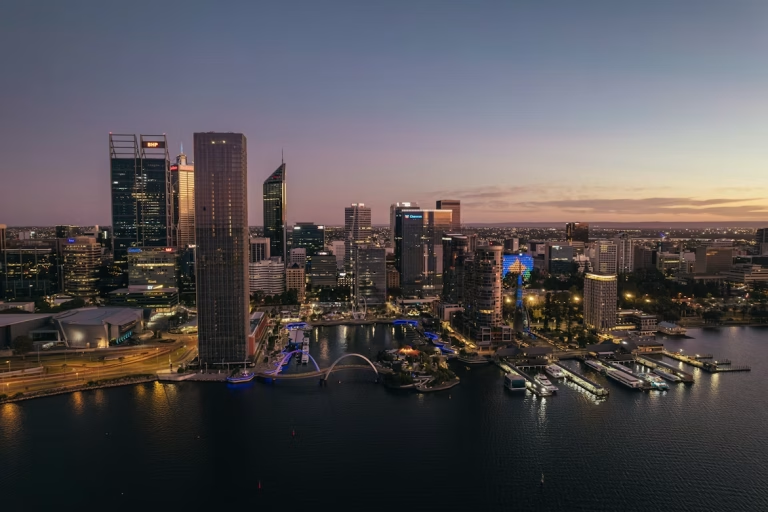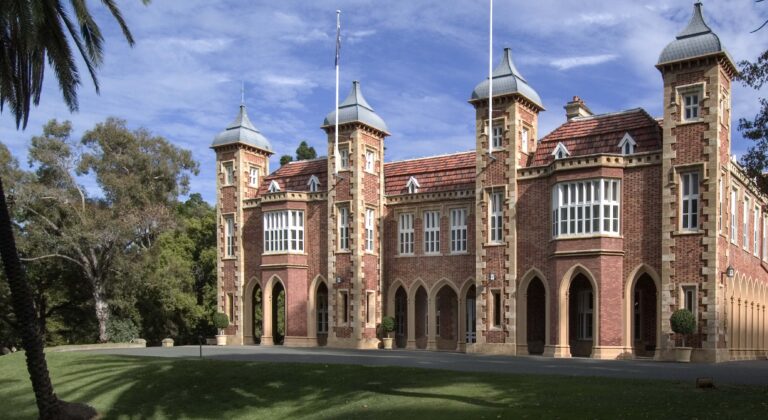
Student accommodation sits in an unusual position in the security landscape. It needs to feel welcoming, social, and accessible — because that’s what residents expect from where they live. At the same time, it carries security risks that purpose-built residential buildings don’t face in the same way.
High resident turnover means access credentials accumulate and drift. Common areas attract non-residents who follow students through entry points. After-hours socialising creates noise, conflict, and occasional violence. And a transient population of young people — many living away from home for the first time — creates a duty of care that operators need to take seriously.
Because of this, student accommodation security requires a different kind of assessment. A standard residential security review doesn’t capture the operational realities of a PBSA building. An independent, sector-specific assessment does.
At Smartsec, we provide independent physical security assessments for student accommodation operators, developers, and facility managers across Perth and regional WA. We don’t sell or install products — so our advice reflects what your building actually needs, not what a vendor happens to supply.
The Unique Risk Profile of Student Accommodation
Student accommodation carries risks that distinguish it clearly from standard residential buildings. Understanding those risks is the starting point for any meaningful security assessment.
High turnover and access drift
Most student accommodation operates on semester-based or 12-month lease cycles. As a result, resident populations change significantly — sometimes twice a year. Each changeover creates an access management challenge. Old credentials need to be revoked. New residents need to be inducted. And the gap between a resident leaving and their access being removed is a window of vulnerability that many operators underestimate.
Without rigorous access management processes, credentials accumulate over time. Former residents, past guests, and ex-staff may all retain access that should have been removed months earlier. An independent assessment identifies where that drift has occurred and what controls are needed to manage it reliably.
Tailgating and non-resident access
Student buildings are social environments. Residents regularly bring friends, partners, and guests into the building — often through controlled entry points that aren’t designed to prevent tailgating. Because students are less likely than older residents to challenge unfamiliar faces, non-residents can move through student accommodation with relative ease.
This creates real risk. Non-residents account for a significant proportion of theft, assault, and property damage incidents in student buildings. However, addressing this risk doesn’t mean creating a fortress. It means designing entry environments that support natural access management without making residents feel surveilled or unwelcome.
After-hours vulnerability
The hours between midnight and 6am are consistently the highest-risk period in student accommodation. Alcohol, fatigue, and reduced staffing all contribute. Because most student buildings have limited or no overnight staff, the physical environment has to carry more of the security burden during these hours.
Lighting, CCTV coverage, duress provisions, and the design of common areas all need to reflect the after-hours reality — not just the daytime operational model.
Common area management
Common areas — lounges, laundries, gym facilities, study rooms, rooftop terraces — attract both residents and non-residents. They’re also the locations where most reported incidents occur. We assess whether your common areas are appropriately supervised, whether access controls into amenity spaces are proportionate to the risk, and whether CCTV coverage supports incident investigation when problems occur.
What a Student Accommodation Security Assessment Covers
Every assessment Smartsec conducts is tailored to the specific building and operator. A large PBSA tower in the CBD has different security dynamics to a mid-size student village near a suburban campus. However, several core areas feature consistently across most assessments.
Entry and access control
We review how residents, guests, and visitors access the building and its amenity spaces. We assess whether entry systems support effective access management under the social pressures of a student environment. We also examine how the building handles out-of-hours lockouts, guest sign-in processes, and the management of maintenance and contractor access.
Because access drift is one of the most consistent vulnerabilities in student accommodation, we pay particular attention to the operational processes that sit around the technology — not just the hardware itself.
CCTV coverage and effectiveness
We assess whether your CCTV system covers the areas where incidents actually occur. In student accommodation, this typically means entry and exit points, lift lobbies, stairwells, car parks, and common areas. We also review whether camera placement, lighting conditions, and retention settings support useful footage when incidents are reported — sometimes days after they occur.
Because students are more likely to report incidents retrospectively, footage retention is particularly important in this sector.
Lighting in key areas
Poor lighting in car parks, building approaches, and late-night access routes creates the conditions for theft, assault, and antisocial behaviour. We assess external and transitional lighting against your specific risk profile. We identify where darkness creates opportunity and where targeted improvements would reduce risk at the times when it matters most.
Duress and emergency provisions
We assess whether residents and staff have access to duress capability in the areas of the building where they’re most likely to need it. This includes isolated common areas, basement car parks, laundries, and any areas of the building that are accessible after hours with reduced visibility from staff positions.
Perimeter and after-hours controls
We review whether your building’s perimeter effectively controls after-hours access or simply creates a boundary that determined individuals can bypass. We look at how deliveries, maintenance, and emergency access are managed outside staffed hours — and whether the controls in place are actually followed under operational pressure.
Staff safety
Resident advisors, front desk staff, and facilities personnel in student accommodation face elevated conflict risk — particularly on weekend evenings. We assess whether staff positions are appropriately configured to support their safety, whether duress provisions are in place and functional, and whether incident response procedures are clear and practiced.
Who Engages a Student Accommodation Security Consultant
Several types of operators get strong value from independent student accommodation security advice in Perth.
PBSA developers planning a new building or refurbishment who want security by design input before construction begins. This is the highest-value engagement — it’s far cheaper to get security right at design stage than to retrofit it after the building is occupied.
Operators managing an existing building who have experienced recurring incidents — theft from common areas, non-resident access issues, after-hours conflict — and want a structured, independent view of what’s driving those incidents and what physical changes will reduce them.
Building managers preparing for an insurance review, a head lease renewal, or a portfolio audit who need a formal, defensible assessment of their current security arrangements.
And developers or operators expanding their portfolio into Perth who want an independent baseline assessment of acquired or leased buildings before students move in.
What You Receive
At the end of the assessment, you receive a clear, prioritised report. It documents your building’s current security strengths and vulnerabilities across each area of review. It provides specific, achievable recommendations structured by priority — what needs urgent attention, what can be addressed in the medium term, and what is already working well.
Reports are written to be useful for the range of people who need to act on them. That means language a building manager can use to brief maintenance staff, a head of operations can use to justify investment, and a board or investor committee can understand.
Talk to a Student Accommodation Security Consultant in Perth
If you operate, develop, or manage student accommodation in Perth or regional WA and want independent security advice, Smartsec would welcome a conversation.
Contact the Smartsec team here to discuss your building. There’s no obligation — just a straightforward conversation about your environment and how independent advice can help you manage your security more confidently.